Platforms and vendors
- EtherNet/IP
- Profinet
- OPC UA
- MQTT
- Ignition
- SCADA and MES interfaces
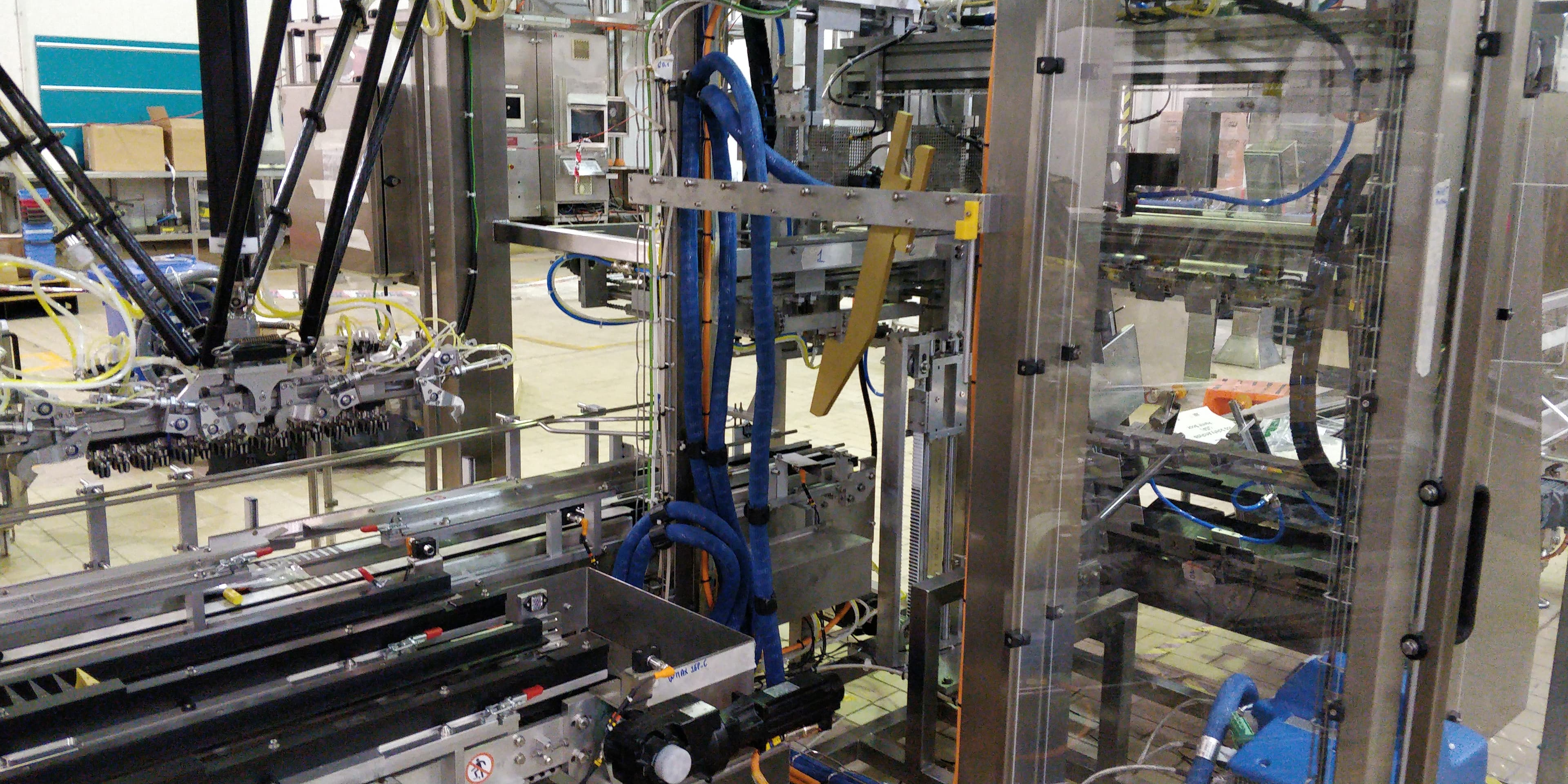
Metromotion Controls is a control systems integrator in Melbourne for manufacturers that need machine handshakes, line states, PLC networks, SCADA, MES, ERP and recovery behaviour to work as one plant system.
Metromotion Controls delivers industrial systems integration for manufacturers that need OEM machines, PLC networks, SCADA, MES, ERP and reporting systems to work as one controlled environment. Integration starts with defined machine states, handshakes, data ownership and recovery behaviour.
Line integration depends on clear handshakes, machine states, recovery paths and fault escalation. We define these interfaces so connected assets operate as one coherent system. Common integrations include filler to capper, depalletiser to conveyor, batching skids to utility systems and packaging machines with coordinated permissives. Standards-based interface definitions, including PackML where appropriate, reduce SAT surprises and help sites stabilise output sooner after startup.
OEM equipment integration in manufacturing starts before a machine reaches site: communications, signal ownership, line states, permissives and fault recovery need to be specified and tested. For production line integration in Melbourne, we connect new equipment to existing PLC, SCADA and data standards, then prove normal operation and controlled recovery during FAT and SAT. The Sakata product line integration project shows this work on an operating FMCG site.
A control systems integrator should make the boundaries between machines, PLCs, SCADA, networks and business systems explicit. We define who owns each signal, what each machine state means, how faults recover and what happens when an upstream or downstream asset is unavailable. That work often involves more than code. It includes interface control documents, acceptance tests, network decisions, operator messages, support handover and clear escalation paths for the first weeks of production.
Our engineers design OT/IT data pathways that support reporting and planning without compromising process safety or cyber hygiene. Architectures typically include segmented VLANs, firewalls, DMZ services, OPC UA brokers and MQTT transport where suitable. We map data ownership, update rates and quality flags so business systems consume trustworthy context rather than raw tag streams. Design decisions align with IEC 62443 principles and site cybersecurity policies. Common scope includes production, downtime and quality events from SCADA into analytics platforms for daily performance review. We also define certificate management, backup strategy and monitoring so integrations remain supportable after go-live.
ERP integration often fails when transaction logic is unclear, so we focus on explicit event models and exception handling from the beginning. We define how work orders, material lots, batch IDs and production confirmations move between plant systems and enterprise platforms such as SAP or Microsoft Dynamics. Integration can be direct through APIs, via middleware, or through MES layers depending on site maturity. We test nominal and abnormal scenarios, including communication loss, duplicate transactions and partial completion states. This approach is particularly useful for traceability-heavy sectors where recall readiness and genealogy reporting are critical. Our team documents mappings, error handling and support procedures so operations and IT teams can manage the integration confidently. The outcome is reliable data flow that improves planning accuracy and reduces manual reconciliation effort.
A control systems integrator connects machines, PLCs, SCADA, HMIs, control panels, OT networks, data systems and enterprise interfaces into one operating environment. The work includes interface definition, PLC and SCADA programming, commissioning, documentation, recovery behaviour and support after go-live.
Bring in a control systems integrator when a new machine must work with existing lines, when SCADA or MES needs reliable production data, when machine handshakes are unclear, or when multiple vendors need one accountable controls interface before commissioning.
Yes. We frequently integrate new machines into legacy environments by defining clear interface contracts, translating protocols where needed, and validating recovery behaviour before full production ramp-up.
There is no single best option. OPC UA, MQTT and API-based approaches each suit different requirements. We select based on latency, security, maintainability and existing site architecture.
We provide monitored support with diagnostics, log review and structured incident response. Clear ownership matrices and documented fallback paths help resolve issues quickly without extended production impact.
Yes. Metromotion Controls is a Melbourne control systems integrator for machines, PLC networks, SCADA, MES, ERP and reporting systems across Victoria and Australia.
Melbourne automation contractor capability for scoped control-system projects from design through commissioning.
Conveyor and line control, PackML-aligned states, changeovers, inspection and packaging OEE data.
Machine automation, line integration, OEE data and controls upgrades for high-volume manufacturing sites.
New product line integration for FMCG and packaging operations.
OT network design, industrial Ethernet, secure remote access and SCADA server connectivity.
OEE, reports, quality, CIP, maintenance and energy data from the team that builds and programs the lines.
The MES functions a mid-size food plant uses, what it can skip, and whether to build on Ignition or buy enterprise MES.
Plant events that raise CMMS work orders, condition alerts before a stop, and runtime counts for preventive maintenance.
Ignition Gold Certified System Integrator for Ignition SCADA, historian, reporting and MES functions.
Orders down to the line and counts, consumption, scrap and batch results back to ERPs such as SAP and Pronto Xi.
Sakata (Smith's Snackfood Company) added new production equipment beside existing assets and needed the controls layer to remain consistent. Metromotion Controls delivered field device, network, PLC and SCADA integration so the line entered service with clearer interfaces and handover support.
Remedy Drinks is one of Australia's fastest-growing beverage producers, known for its kombucha and low-sugar drink range. As production volumes grew, the maintenance team needed a tighter connection between the plant floor and their MEX CMMS system. Metromotion Controls designed and delivered the integration between the Ignition SCADA platform and MEX, enabling automatic work order creation from plant events and giving the maintenance team structured visibility of asset status without manual data re-entry.
Cobs Fine Foods is one of Australia's leading premium snack manufacturers. The business needed real-time production data from all line equipment, including checkweigher and metal detector systems, connected to a centralised OEE platform provided by a third-party vendor. Metromotion Controls designed and delivered the automation integration layer, connecting each line asset to Ignition, capturing data at PLC level, and passing it upstream to the OFS OEE platform. The project included full network architecture design, device configuration, and the PLC logic required for clean, consistent data capture across the line.
Industrial automation engineering for Australian manufacturers, covering PLC, SCADA, control panels, commissioning and support.
PLC programming, SCADA programming and HMI screen work that operators and maintenance teams can support.
Factory data, OEE, reports, quality, CIP, maintenance and energy from the team that builds and programs the lines.
Remote and onsite support for PLC, SCADA, HMI, OT network and electrical control issues.
Speak directly with an engineer about scope, timing and technical constraints.