Platforms and vendors
- EPLAN
- AutoCAD Electrical
- Rockwell MCCs
- Siemens panels
- Pilz safety devices
- Phoenix Contact and industrial networking hardware
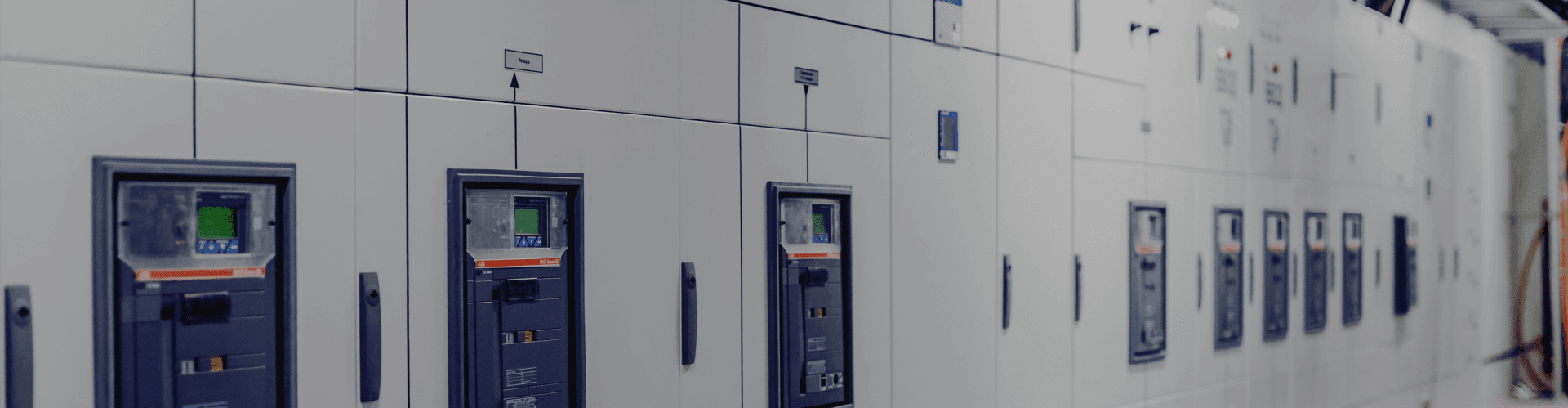
Metromotion Controls engineers electrical control panels from Mount Waverley for Melbourne and Australian production sites. We prepare the drawings, ratings, layouts and test records that let a panel builder manufacture, test and hand over a panel that matches the process, PLC and site requirements.
Metromotion Controls provides electrical control panel engineering in Melbourne for automation and controls projects. We prepare compliant, buildable and maintainable panel layouts, motor control and MCC designs, schematics, cable schedules, I/O lists and FAT documentation, then support panel builders through wiring, assembly and testing.
Electrical control panel designs are prepared with AS/NZS 61439 for low-voltage switchgear and controlgear assemblies, AS/NZS 3000 wiring rules and relevant machine safety obligations under AS 4024 in mind. We establish the assembly boundary, earthing, protection, short-circuit withstand, thermal management and verification requirements before the build starts. Component selection also considers availability, spares, washdown exposure, dust, heat and the maintenance standards the site already uses.
Form of separation is agreed before the layout is fixed, not selected from a default. Form 4 separates the busbars from functional units and separates each functional unit, including its terminals, from the others. That can suit a continuous line where one motor circuit may need maintenance while adjacent sections remain energised. It also adds barriers, gland plates and enclosure space, so a smaller machine panel that is only serviced during a full shutdown may call for a lower form. The right choice follows the operating and maintenance model for the panel.
Short-circuit current, IP rating, ambient conditions and heat dissipation shape the enclosure before component selection is finished. The prospective fault current comes from the electrical study, then the busbars, bracing and incoming device are coordinated to it. In a washdown or dusty area, ingress protection and thermal management must be solved together. Drives, transformers, power supplies and dense terminal arrangements all add heat, so the enclosure size, ventilation or closed-loop cooling method is checked against the site environment rather than left for the workshop to resolve.
Motor control systems are where the panel design meets the process. Each motor circuit needs its starter or drive, protection, isolation and control interface chosen for the duty: direct-on-line or soft starting for fixed-speed loads, and variable speed drives where the process needs ramps, speed trim or energy savings on pumps and fans. We set out the motor schedule, MCC and drive panel layouts, protection and isolation requirements, and the PLC interface for each drive, whether hardwired or over the plant network. On the La Casa del Formaggio greenfield cheese factory, the electrical and automation scope included three motor control centres and 21 PowerFlex 525 drives, delivered with the PLC and SCADA work by one project team.
Good electrical documentation reduces installation time, commissioning defects and future fault-finding effort. We produce schematic sets, single-line diagrams, terminal plans, cable schedules, network layouts, bills of materials and I/O lists with consistent tags and clear cross-references. EPLAN and AutoCAD Electrical packages keep the schematic, terminal plan and cable schedule aligned as the design changes. Where the controls behaviour needs explanation, we add sequence notes, interlock tables and alarm references so the drawings connect cleanly to the PLC and SCADA scope.
Control panel engineering is not the same as claiming every panel is manufactured in-house. Our role is to make the electrical package buildable, testable and maintainable, then support the panel builder, electricians and commissioning team through the work. That can include EPLAN or AutoCAD drawings, MCC layouts, I/O schedules, cable schedules, network layouts, FAT procedures, redline control and final as-built records. This keeps design intent connected to the physical panel and the PLC, SCADA, functional safety and automation commissioning scope it must support.
Design outputs are prepared for manufacture, factory testing and installation. The wiring specification sets conductor sizes and colours, wire numbering and ferrule labelling, and the segregation of power, control and signal wiring, so the panel wiring and assembly in the workshop follows the drawings instead of being settled at the bench. We coordinate with panel builders on enclosure layout, wire duct capacity, heat dissipation, gland plate arrangement, component availability and test points so workshop assembly is practical. Identifying these inputs early gives the project team a realistic basis for build sequencing and lead times, especially where drives, switchgear or specified components have to be confirmed before the workshop can start. During installation, we support cable routing, termination checks, loop testing and redline management so the final drawings match the installed system.
A panel is checked against the same documents that will be handed over. FAT can cover point-to-point and continuity checks, a controlled power-up sequence, functional checks of control and safety circuits, labelling and ratings, network validation and simulated I/O where the scope calls for it. Defects are recorded and closed before sign-off. The final package can include as-built schematics and general arrangement drawings, terminal and cable schedules, the bill of materials with part numbers, ratings information, FAT records, defect closeout and maintenance notes. Those records make later fault-finding, automation upgrades and support work safer and more controlled.
Yes. Metromotion Controls provides control panel engineering in Melbourne from Mount Waverley, including electrical design documentation, EPLAN and AutoCAD drawing packages, MCC layouts, I/O lists, cable schedules, FAT support and panel-builder coordination.
Yes. Metromotion Controls designs motor control systems for Melbourne and Australian production sites, including motor schedules, MCC and drive panel layouts, starter and drive selection, protection and isolation, and the PLC interface for each motor. We coordinate the build with the panel builder and support FAT before the assembly goes to site.
Control panel engineering defines the design, documentation, component layout, I/O structure, electrical interfaces and testing evidence. Panel manufacturing is the physical build. We can prepare the engineering package and support the panel builder through manufacture, FAT, installation and commissioning so the finished panel matches the control intent.
We can provide design-only packages or stay engaged through panel build, FAT and installation. Many clients use us to keep design intent, workshop execution and commissioning requirements aligned.
AS/NZS 61439 and AS/NZS 3000 are commonly central, with AS 4024 applied where machinery safety is part of the scope. The exact standards and site specifications depend on the equipment, environment and client requirements.
Form 4 can be appropriate when a site needs to isolate or maintain one functional unit while adjacent sections remain energised. It adds separation, enclosure space and cost, so the decision should follow the plant operating model, maintenance requirements and the agreed assembly specification rather than a default.
Yes. We often convert legacy drawing sets into structured digital packages with consistent tags, cross-references and revision history so maintenance teams can troubleshoot and modify systems with confidence.
Yes. We can define and support FAT steps for point-to-point checks, power-up, network validation, simulated I/O, safety interfaces and control-system readiness before the panel leaves the workshop.
Commissioning engineers, acceptance testing, loop checks, startup support and control system readiness audits across Australia.
Automation, traceability, CIP, SCADA and production data for Australian food and beverage plants.
Controls for yoghurt and cheese plants, milk receival, pasteurisation, CIP and production reporting.
Batch, recipe, work order, CCP and OEE systems for pet food manufacturing environments.
Large capital project delivery across process automation, electrical engineering and commissioning.
Greenfield dairy facility automation with process controls and commissioning support.
AS/NZS 61439 and AS/NZS 3000 compliance, form of separation, MCC design, short-circuit rating, thermal management, FAT and handover records.
Industrial switchboard and MCC design to AS/NZS 61439, with fabrication by partner switchboard builders.
A designer's guide to responsibilities, ratings, design and routine verification and FAT evidence under AS/NZS 61439.
When a variable speed drive saves energy, how to build the case and how to replace an ageing drive.
Chobani needed a controls partner to help establish its Australian manufacturing operation with new production lines and site infrastructure, and the relationship has had to keep adding and optimising lines without disturbing production already running on site. Metromotion Controls supported the initial setup and has continued to add, optimise and support production lines over the years, bringing process, packaging and site services onto common control and data interfaces so each addition extends one operating environment rather than a separate island. The scope spans plant services including boilers, refrigeration, trade waste, power monitoring and water usage monitoring, plus OEE, site data analytics and contextualised production data from lab equipment and other external sources.
La Casa del Formaggio needed a greenfield cheese manufacturing facility to support production growth. Metromotion Controls delivered the electrical and automation scope from design through commissioning, building out 3 Motor Control Centres and 21 PowerFlex525 VSDs for the plant drives and tying the process together through 30 PID loops and 16,237 Ignition tags. The scope covered MCC design, Ignition visibility, process automation, CIP controls, training and handover.
Steamtech Engineering is a boiler OEM that installs across multiple end-customer sites, and its boiler automation ran on ageing legacy PLC programs that every new installation inherited. The task was a legacy PLC migration with a goal beyond any one site: the migrated program had to become a maintainable baseline suitable for repeat deployment, not a one-off conversion. Metromotion Controls migrated the legacy code base onto current Rockwell CompactLogix and PanelView platforms, verified the migrated logic against the field through structured I/O testing, and supported commissioning from the OEM workshop through to Steamtech end-customer sites. The result is a more consistent controls baseline across new installations, which is easier for Steamtech and its customers to support.
PLC programming, SCADA programming and HMI screen work that operators and maintenance teams can support.
Functional safety, machine safety automation and safety PLC programming to IEC 61511, IEC 62061, ISO 13849 and AS 4024.
FAT, SAT, loop checks, startup support and defect closeout before production handover.
Speak directly with an engineer about scope, timing and technical constraints.