1
Industry 4.0 is a direction, not a product
The term describes connected, data-driven manufacturing. For a mid-size food plant it is best treated as a series of small, useful steps rather than a program with a platform purchase at the start.
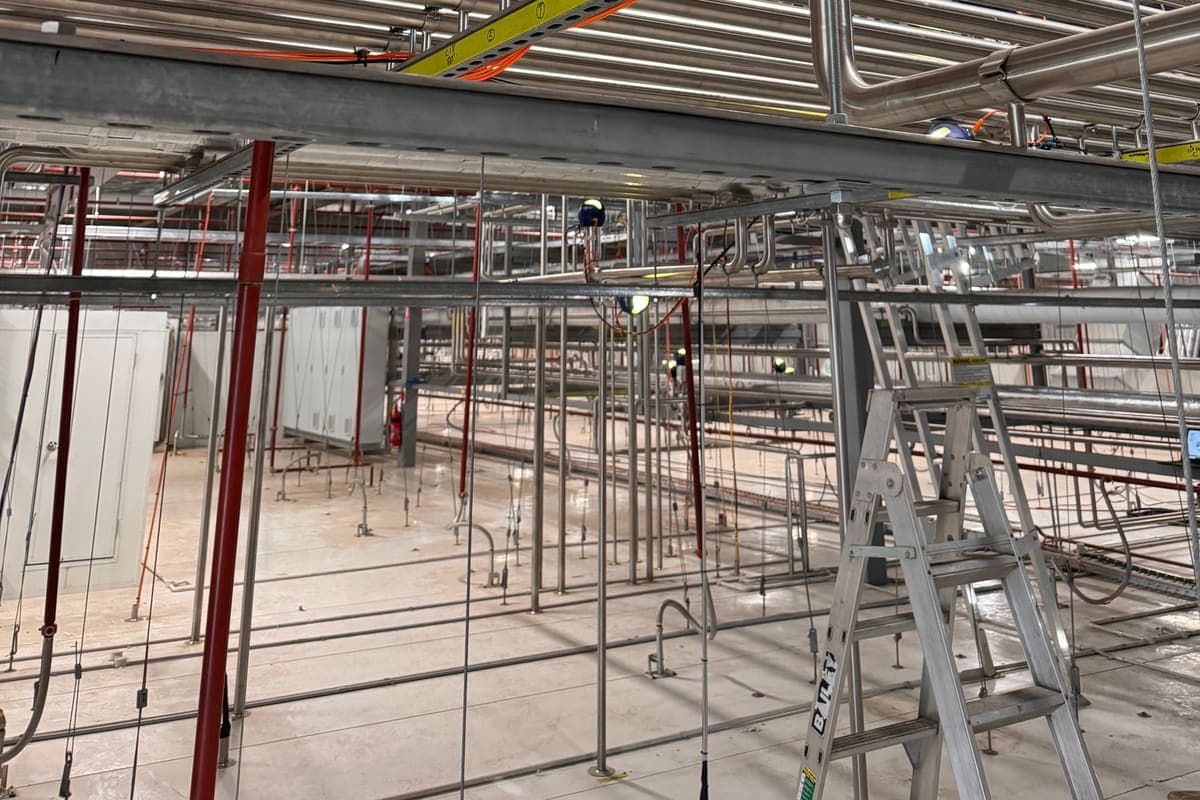
The term describes connected, data-driven manufacturing. For a mid-size food plant it is best treated as a series of small, useful steps rather than a program with a platform purchase at the start.
PLCs already know every stop, count, reject and fault. The first step is usually reading that data reliably and putting it in context, not buying sensors or a data lake.
Pick the decision the plant most wants to make better, prove the data on one line with the people who use it, then extend. Each step should be in daily use before the next begins.
Industry 4.0 is the name given to connected, data-driven manufacturing: machines, control systems and business systems sharing information so a plant can see what is happening and respond faster. For a mid-size Australian food plant, the useful question is not what Industry 4.0 is but what to do first. This guide explains the term briefly, sets out why so many programs stall, and gives a practical starting point built on the data the plant's PLCs already produce.
It is written for plant managers, operations managers and owners of food and beverage businesses who are being told they need an Industry 4.0 strategy and want to know where the value actually is.
This guide is part of our Plant Intelligence section, which covers OEE, reliable plant data, reporting, quality and maintenance built on the control systems a plant already runs.
The term comes from Germany. "Industrie 4.0" was presented at the Hannover Messe in 2011 as part of the German government's high-technology strategy, describing a fourth industrial revolution after mechanisation, mass production and electronic automation. The fourth step is connection: machines, products and systems exchanging data so that production can be monitored, analysed and adjusted with far less manual effort.
In a food plant, the building blocks are familiar even if the label is not.
A "smart factory" or "digital factory" usually means a plant where most of these are working together. Very few mid-size food plants need to be there on day one.
Industry 4.0 programs in mid-size plants tend to stall for the same few reasons, and none of them is a lack of technology.
The common thread is distance from the control system. The information a food plant most needs is in its PLCs, and the fastest way to it is through people who know how those PLCs are programmed.
A practical Industry 4.0 start for a mid-size food plant looks much smaller than most strategy documents suggest.
Choose the decision the plant most wants to make better. Common first choices are:
One decision gives the project a clear test: after a few weeks, is the decision being made faster and with more confidence than before?
Choose a line that matters and where the team is willing to try something new. One line is enough to prove the data, the screens and the routine, and the pattern can then be repeated.
Most of what a first stage needs is already in the controllers: running state, counts, rejects, fault codes and cycle data. Reading it reliably usually needs a data server on the OT network, a read-only connection to the PLCs and a database the site owns. New sensors are added only where a signal genuinely does not exist, such as vibration on a critical motor.
Every figure should be checked against an independent source before it goes to management: good-output counts against the palletiser, stop durations against a watched shift, rejects against the checkweigher. This is the step most programs skip, and it decides whether people trust what follows. Our reliable plant data page covers how we do it.
Operators need the information on the screens beside the controls. Supervisors need an alert when a line is down and a handover view at shift change. Managers need a short daily report. See OEE and production monitoring for how the views differ by role.
Once the first line's data is trusted and used every day, the same pattern extends to the next lines, and the same data layer can take on quality records, CIP verification, maintenance work orders, scheduling and utilities.
Plants starting out often ask whether they need an Industry 4.0 consultant. A consultant can be valuable for a multi-site strategy or an organisational change program. For a single site that wants useful information from its lines, the work is mostly engineering: reading PLC logic, validating signals, building a data model and delivering reports and alerts.
That work is faster when it is done by the people who know the control system. At Chobani, Metromotion Controls supported the initial plant setup, kept adding lines, and then built the OEE data platform and production reporting on the same control systems. At Remedy Drinks, plant events in Ignition now raise maintenance work orders automatically. Neither started with a strategy document; both started with a line and a decision.
Starting small does not mean building something that has to be thrown away. A few early decisions keep the first stage compatible with whatever comes later.
Australian and state governments run programs that can support manufacturing improvement and technology adoption, such as the Australian Government's Industry Growth Program. Programs, eligibility and rounds change often, so check current eligibility with the program administrator before counting on funding in a business case.
For a mid-size food plant, Industry 4.0 is not a platform or a strategy document. It is a series of small, proven steps from the data the plant already produces to decisions people make every day. Start with one decision and one line, check the data before building on it, put the result where people already look, and extend only when the first step is in daily use.
If you want to find out what data your lines already hold and what a first stage would take, speak with an engineer or see how our Plant Intelligence work is structured.
OEE, reports, quality, CIP, maintenance and energy data from the team that builds and programs the lines.
Live OEE, line status and stop reasons read directly from the PLCs on food and beverage lines.
The right tag for each count and one meaning for each state, validated against the line and placed in context.
The ISA-95 levels and the Purdue model explained on a food line, with where each piece of context lives.
OEE meaning and calculation under ISO 22400-2, with a worked two-SKU example and the booking rules that move the figure.
OEE and downtime reporting from PLC states, with shift and weekly management reports for an Australian yoghurt plant.
Ignition to MEX integration generating automatic work orders from plant events for a beverage producer.
Automation, traceability, CIP, SCADA and production data for Australian food and beverage plants.
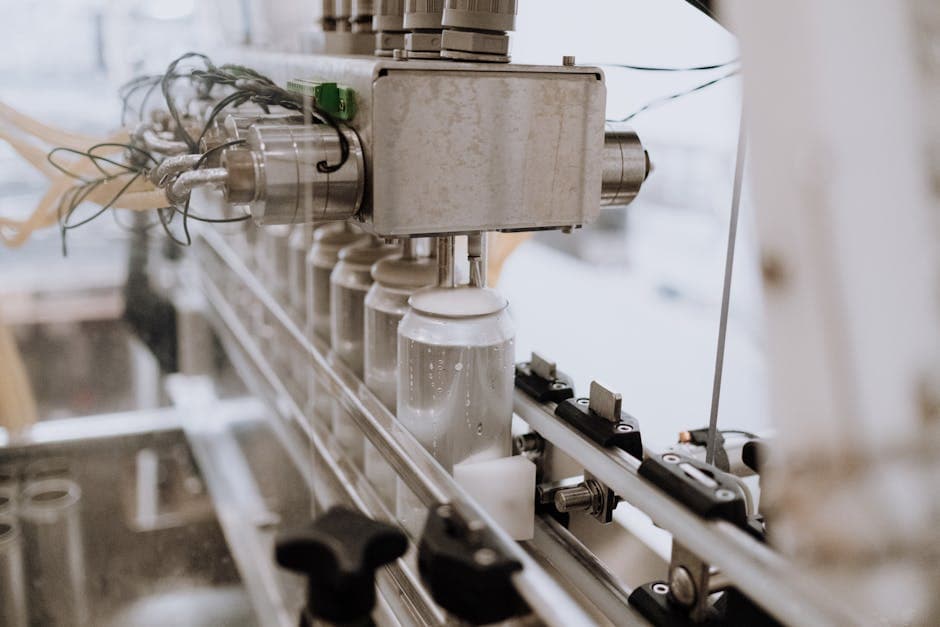
Condition monitoring for Australian manufacturers: ISO 17359 and 13374, the P-F curve, sensor selection, MQTT Sparkplug B and OPC UA, and the link to OEE.
Key point
Condition monitoring is a discipline with standards behind it
Published 9 May 2026
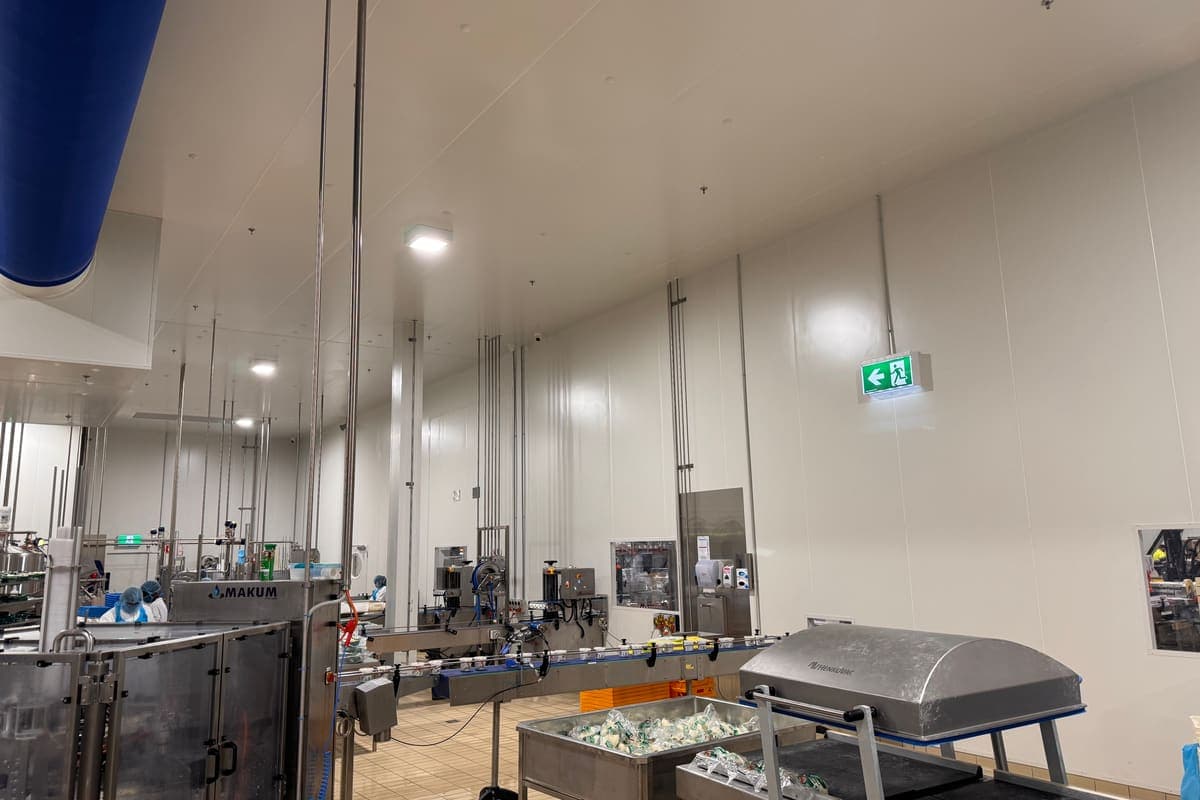
What OEE means under ISO 22400-2, how to calculate it on a multi-SKU food line, and the two booking decisions that can move the figure by ten points.
Key point
OEE is the share of planned time that produced good product at the ideal rate
Published 25 Sept 2026
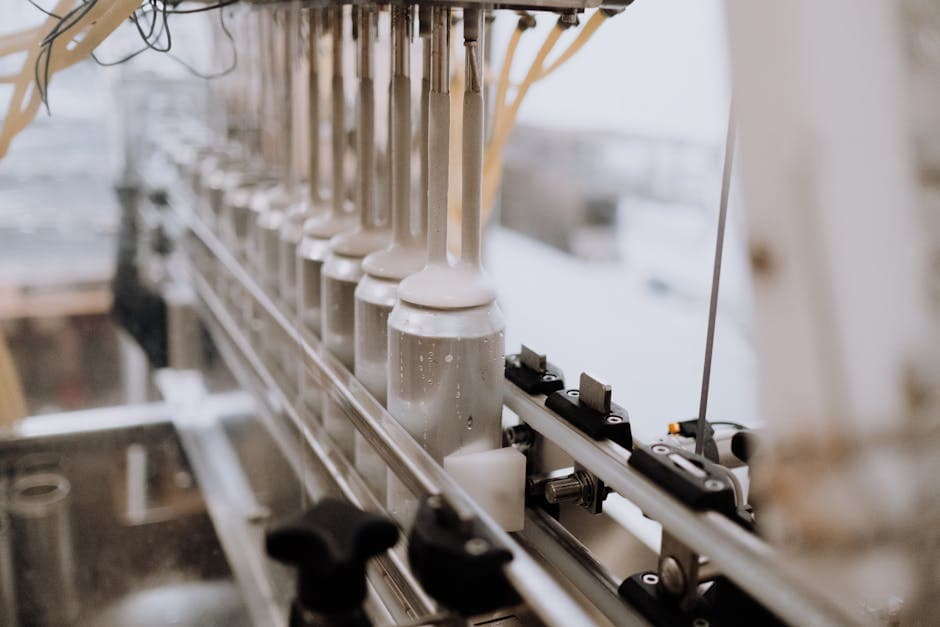
What OEE excludes by design, how it distorts on multi-SKU food and beverage lines, and why the signal layer is the one limitation engineering can fix.
Key point
OEE measures how efficiently a line ran, not whether it made the right thing
Published 9 May 2026
Tell Metromotion Controls about the work you are planning and speak with an engineer about the next steps.