Platforms and vendors
- Ignition
- SQL databases
- Rockwell
- ISA-88 batch control
- Checkweigher and metal detector interfaces
- Lab data imports
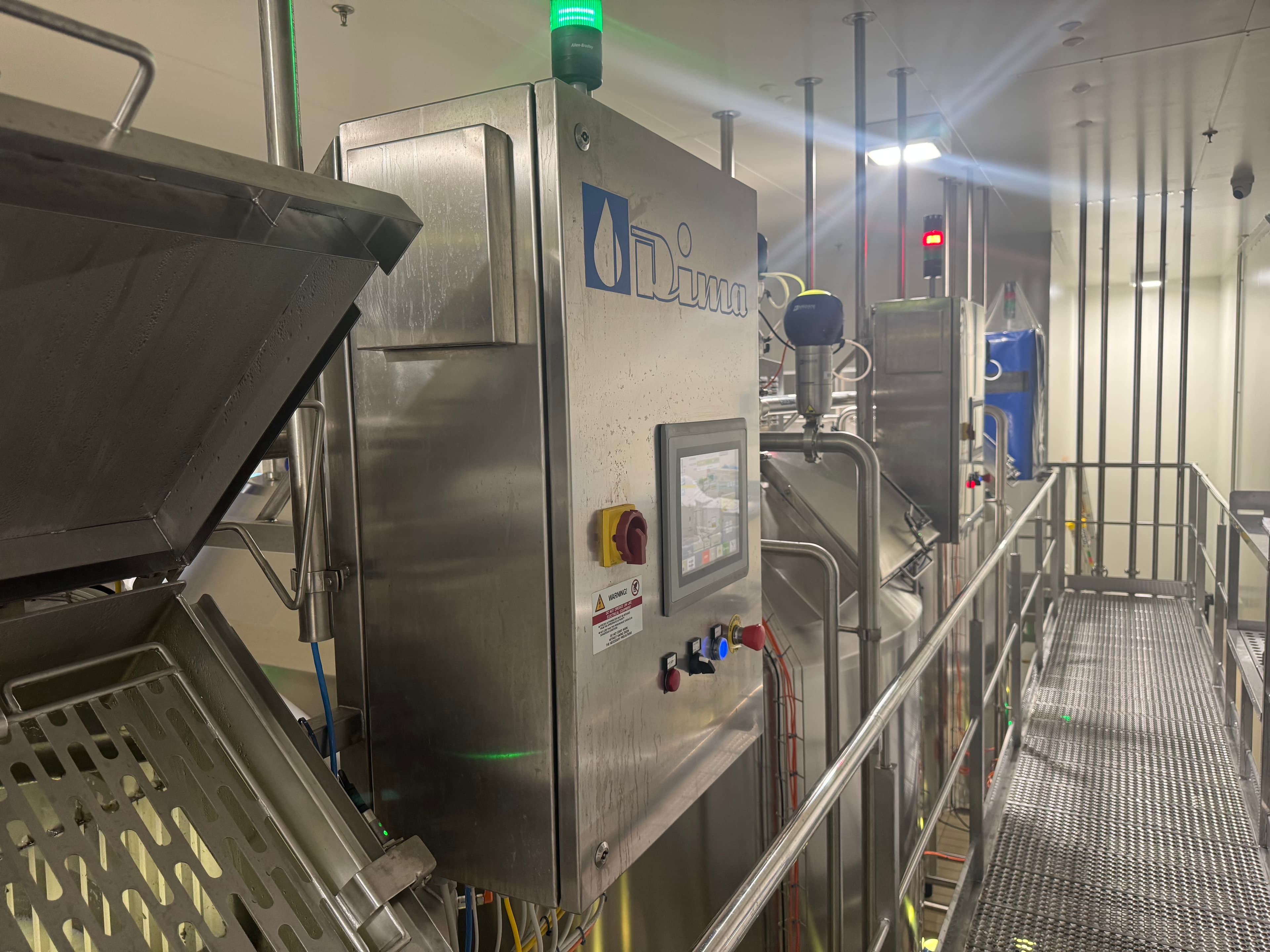
Metromotion Controls captures quality and traceability records from the same PLC and SCADA systems that run the line, so QA managers get checkweigher results, inline checks, batch records and lot genealogy without a second data-entry job.
Quality teams in food plants spend a surprising share of their time transcribing: copying checkweigher printouts, matching lab results to batches and hunting paper records when a customer asks for a trace. Most of that information already passes through the control system. Metromotion Controls connects checkweighers, metal detectors and inline instruments, records batch events from ISA-88 recipes and PLC logic, and stores them with the production context so QA can find, check and report on them directly.
Checkweighers, metal detectors, X-ray units, vision systems and inline instruments all produce results the control system can read. Captured at the line, each result is stored against the batch, SKU and time it belongs to, and a failed check can raise an alarm or a hold while the product is still on site.
Lab results are most useful when they sit beside the production data they describe. We join them to the batch, line and time window, so a quality trend can be read against the process conditions and stops that preceded it. At Chobani, the data platform brings in results from lab equipment and other external sources for this reason.
Genealogy starts in the control logic. Where batching follows ISA-88, each recipe phase records what was added, from which source, by route and quantity, and each finished lot records the batches that fed it. We structure this the way we structured the Real Pet Food batch control, where the route and ingredient were validated at each step, so the record reflects a confirmed path rather than an assumed one.
When a customer or regulator asks for a trace, the question is which finished lots contain a given ingredient lot, or which ingredient lots went into a given pallet. With genealogy captured from the line, that trace runs as a query against recorded events instead of a search through paper batch sheets. The same records support the mock recalls most food safety programs require.
Once quality results are captured with context, they support more than a record. Statistical process control charts, integration with a laboratory information management system (LIMS) and electronic batch records can all be built on the same data. We scope these as a next stage for each site, after the core records are captured and trusted, rather than as the first step.
Yes. At Cobs Fine Foods we connected checkweighers, metal detectors and other line equipment to Ignition at PLC level. Results are stored with the SKU and time, so they can be reported by batch and shift.
From events the control system already handles: ingredient additions, transfers, batch completions and packing. Where batching follows ISA-88, each recipe phase records its inputs, and finished lots are linked to the batches that fed them.
We capture and structure the quality data those tools need, and can scope SPC charting or a LIMS interface as a later stage. We do not sell a quality software product.
No. It feeds it. The site quality system keeps its procedures and approvals, and the control system supplies accurate records without a second data-entry job.
OEE, reports, quality, CIP, maintenance and energy data from the team that builds and programs the lines.
CIP verification and CCP temperature records logged per cycle and per batch, ready for an auditor.
The right tag for each count and one meaning for each state, validated against the line and placed in context.
A practical guide to ISA-88 batch control covering the procedural model, equipment mapping and traceability.
OEE data platform and line integration for production performance reporting.
Pet food raw materials automation covering batching, handling and production control requirements.
Automated inventory tracking integrated with production controls for real-time stock visibility and traceability.
Large capital project delivery across process automation, electrical engineering and commissioning.
Ignition Gold Certified System Integrator for Ignition SCADA, historian, reporting and MES functions.
Automation, traceability, CIP, SCADA and production data for Australian food and beverage plants.
Batch, recipe, work order, CCP and OEE systems for pet food manufacturing environments.
Conveyor and line control, PackML-aligned states, changeovers, inspection and packaging OEE data.
Cobs Fine Foods is one of Australia's leading premium snack manufacturers. The business needed real-time production data from all line equipment, including checkweigher and metal detector systems, connected to a centralised OEE platform provided by a third-party vendor. Metromotion Controls designed and delivered the automation integration layer, connecting each line asset to Ignition, capturing data at PLC level, and passing it upstream to the OFS OEE platform. The project included full network architecture design, device configuration, and the PLC logic required for clean, consistent data capture across the line.
Real Pet Food Company needed automated raw materials handling with stronger batch traceability and scheduling, across a plant where mechanical, electrical and automation scope all had to be brought together by one team before startup. Metromotion Controls structured the batch control to ISA-88, breaking each product into recipe phases and validating the transfer route and ingredient at each step so material moved against a confirmed path rather than an assumed one. The team supplied, installed and commissioned the system, coordinating mechanical, electrical and automation scope through simulation, FAT and startup.
Tibaldi needed better stock visibility as production volumes increased and manual stock tracking struggled to keep pace with rising throughput. Metromotion Controls implemented automated inventory management integrated with the existing production controls, taking stock movements directly from PLC events into a SQL database rather than relying on manual entry. This kept the inventory record in step with what the line was actually doing, reducing manual entry and improving stock traceability as throughput grew.
Factory data, OEE, reports, quality, CIP, maintenance and energy from the team that builds and programs the lines.
CIP cycle records and CCP temperature and time logs captured automatically from the control system, with pass or fail against the recipe, alarms and signed-off deviations.
Accurate, contextualised plant data built from the right tags and states, validated against the line during commissioning, so reports and dashboards can be trusted.
Ignition SCADA, historian, reporting and MES functions designed, built and supported by an Ignition Gold Certified System Integrator in Melbourne.
Speak directly with an engineer about scope, timing and technical constraints.