Platforms and vendors
- ISA-95
- B2MML
- REST APIs and web services
- Staging databases
- Ignition
- SQL databases
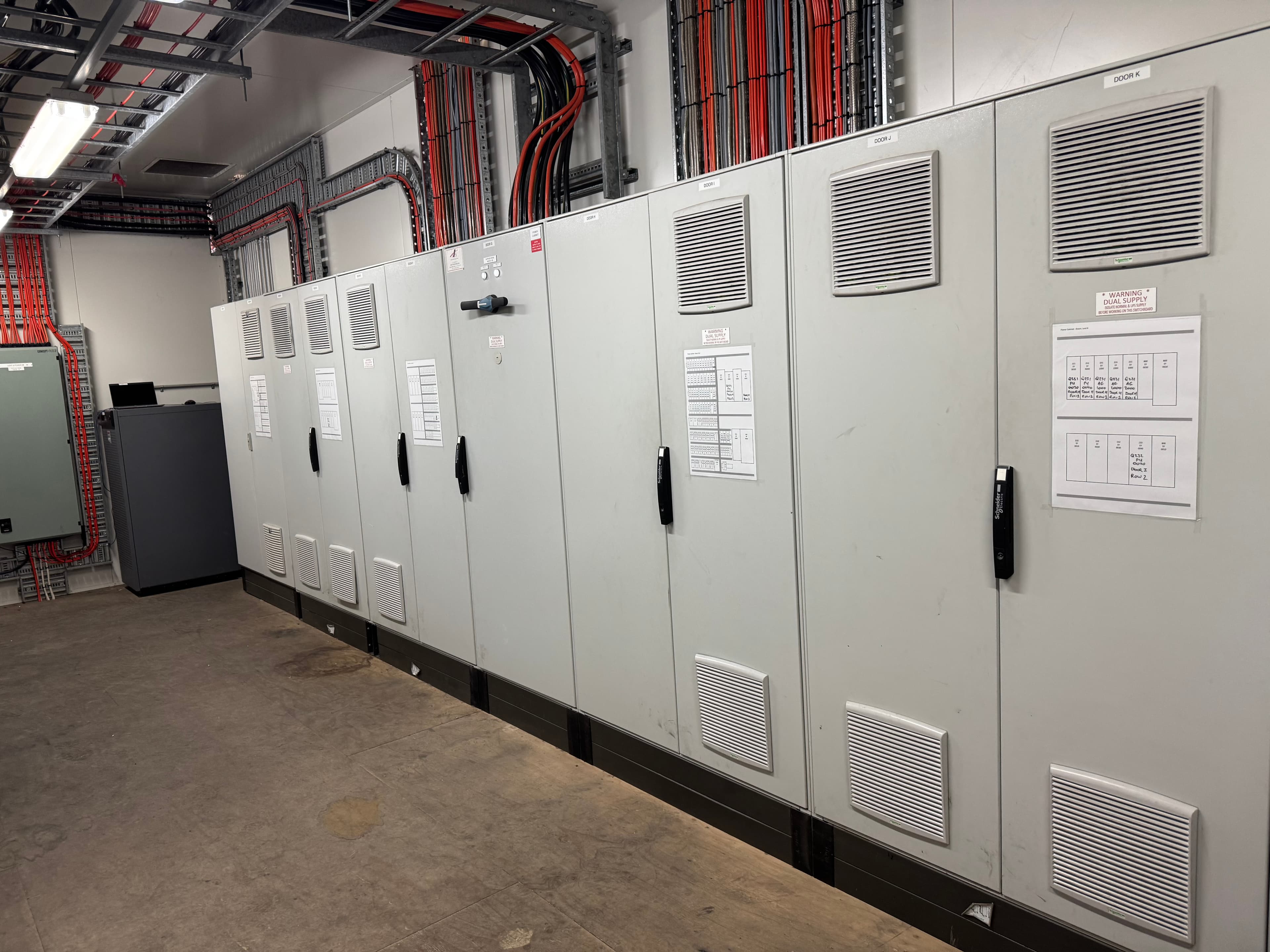
Metromotion Controls integrates plant systems with ERPs such as SAP, Pronto Xi, Microsoft Dynamics and NetSuite, so production orders and recipes flow down to the line and counts, consumption, scrap, downtime and batch results flow back up without re-keying.
Your ERP knows the order. Your line knows what happened. In many plants a person connects the two, typing orders into the HMI and production results back into ERP at the end of the shift. Metromotion Controls connects them in both directions using an ISA-95 integration model and transaction rules agreed with finance, planning and the plant. The integrations we have delivered connect plant events to a CMMS and PLC events to SQL stock records; an ERP integration uses the same event pattern, and we scope each first integration around the ERP interface your site has.
An ERP to plant integration has two directions, and each needs its own rules. Down to the line go the orders and the information needed to run them. Up to ERP go the results needed for stock, costing and planning.
ISA-95 defines the boundary between business planning at Level 4 and manufacturing operations at Level 3, and the objects that cross it: orders, materials, equipment, personnel and production performance. We use it to decide which system owns each record, so the ERP remains the source of truth for orders and stock and the plant remains the source of truth for what happened. Where both sides support it, messages follow the B2MML schemas; where they do not, the same objects are carried over the ERP API or a controlled staging database.
ERP integration usually fails on the edge cases, so we agree them first with finance, planning and production. We test each rule against normal and abnormal scenarios before go-live, including communication loss and restart.
Australian food and beverage plants run SAP, Pronto Xi, Microsoft Dynamics, NetSuite and a range of smaller ERPs. Each exposes production orders and confirmations differently: through standard interfaces such as SAP IDocs and APIs, through web services, or through import tables. Metromotion Controls integrates plant systems with these ERPs through their documented interfaces, and works with your ERP partner, who owns the ERP configuration while we own the plant side.
We scope a first ERP integration around one line and one or two transactions, usually order release and production confirmation, and prove them in daily use before adding consumption, quality or maintenance. The scoping covers the ERP interface available, the transaction rules, the master data that must match on both sides, and who supports each part after go-live.
The integrations we have delivered to date connect plant events to a CMMS (MEX at Remedy Drinks) and PLC events to SQL stock records (Tibaldi). An SAP or other ERP integration uses the same event pattern, and we scope it with your ERP partner around the interface your SAP system exposes.
Any ERP with a documented interface for production orders and confirmations, including SAP, Pronto Xi, Microsoft Dynamics and NetSuite. We confirm the interface with the ERP partner at the start.
Not always. For a single site with a few lines, order release and confirmation can run between ERP and the SCADA and SQL layer. A dedicated MES earns its place when genealogy, scheduling or batch records exceed what that layer handles.
ERP plans and accounts for the business: orders, stock, purchasing and cost. MES runs and records manufacturing: what was made, on which line, from which materials and with what losses. The integration passes orders down and results up between them.
OEE, reports, quality, CIP, maintenance and energy data from the team that builds and programs the lines.
Live line status, actual rates, stops and CIP in front of the scheduler, for re-planning in real time.
Plant events that raise CMMS work orders, condition alerts before a stop, and runtime counts for preventive maintenance.
The MES functions a mid-size food plant uses, what it can skip, and whether to build on Ignition or buy enterprise MES.
The ISA-95 levels and the Purdue model explained on a food line, with where each piece of context lives.
Connect OEM equipment, production lines, line controls, data systems and site standards into one operating environment.
Ignition to MEX integration generating automatic work orders from plant events for a beverage producer.
Automated inventory tracking integrated with production controls for real-time stock visibility and traceability.
Pet food raw materials automation covering batching, handling and production control requirements.
Ignition Gold Certified System Integrator for Ignition SCADA, historian, reporting and MES functions.
The ISA-95 levels, the SCADA-to-MES boundary, production tracking and genealogy, B2MML and ERP integration for food manufacturers.
Automation, traceability, CIP, SCADA and production data for Australian food and beverage plants.
Remedy Drinks is one of Australia's fastest-growing beverage producers, known for its kombucha and low-sugar drink range. As production volumes grew, the maintenance team needed a tighter connection between the plant floor and their MEX CMMS system. Metromotion Controls designed and delivered the integration between the Ignition SCADA platform and MEX, enabling automatic work order creation from plant events and giving the maintenance team structured visibility of asset status without manual data re-entry.
Tibaldi needed better stock visibility as production volumes increased and manual stock tracking struggled to keep pace with rising throughput. Metromotion Controls implemented automated inventory management integrated with the existing production controls, taking stock movements directly from PLC events into a SQL database rather than relying on manual entry. This kept the inventory record in step with what the line was actually doing, reducing manual entry and improving stock traceability as throughput grew.
Real Pet Food Company needed automated raw materials handling with stronger batch traceability and scheduling, across a plant where mechanical, electrical and automation scope all had to be brought together by one team before startup. Metromotion Controls structured the batch control to ISA-88, breaking each product into recipe phases and validating the transfer route and ingredient at each step so material moved against a confirmed path rather than an assumed one. The team supplied, installed and commissioned the system, coordinating mechanical, electrical and automation scope through simulation, FAT and startup.
Factory data, OEE, reports, quality, CIP, maintenance and energy from the team that builds and programs the lines.
Live line status, actual rates, stops and CIP fed to the schedule, with adherence and forecast finish times, so schedulers can re-plan during the shift.
A practical MES scope for mid-size food plants: the functions that earn their keep, the ones you can defer, and whether to build on Ignition and SQL or buy an enterprise MES.
Filling, checkweighing, wrapping, CIP and batching tied together through defined machine handshakes, line states, PLC networks and data interfaces.
Speak directly with an engineer about scope, timing and technical constraints.