Platforms and vendors
- Ignition
- SQL databases
- Rockwell
- ISA-88 batch control
- ISA-95
- ERP interfaces
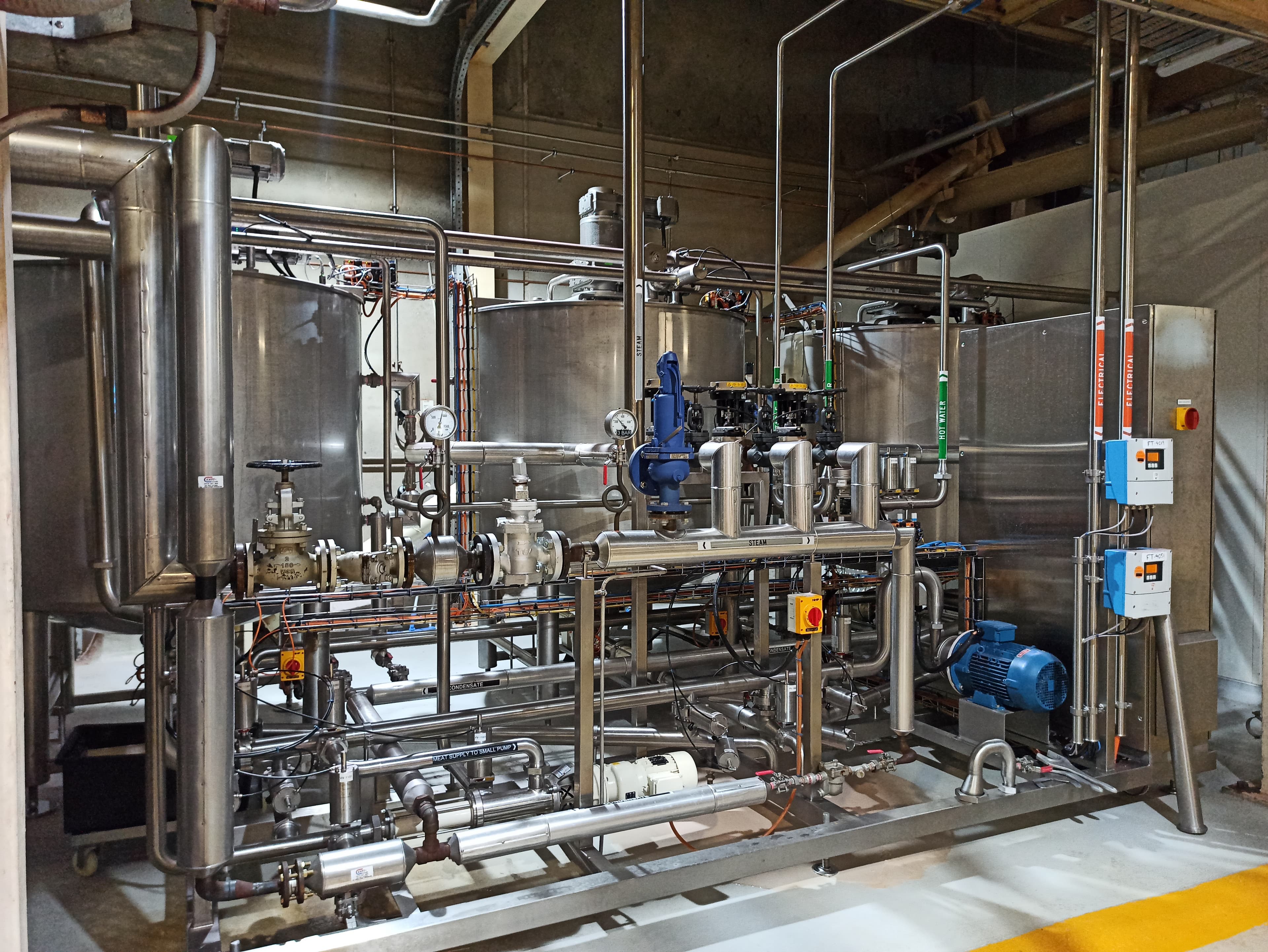
Metromotion Controls connects production orders to the control system, so each order reaches the line with its SKU, quantity and recipe, runs with live status on the floor, and closes with the output, consumption and scrap the line actually recorded.
In many plants a production order lives in ERP and on a printed sheet. The operator types the SKU and quantity into the HMI, the supervisor tallies output at the end of the shift, and someone keys the result back into ERP the next morning. Each step is a chance for the order on paper and the order on the line to drift apart. Metromotion Controls closes that gap in the control system: the order is selected at the HMI, its status and quantity are tracked from the PLC, and the result is confirmed back without retyping.
The term work order covers two separate flows. A production order says what to make: SKU, quantity, line and recipe, released from ERP or the schedule. A maintenance work order says what to fix, and lives in the CMMS. Both can be driven from plant data, and both need the same reliable signals from the line, but they have different owners and different systems. This page covers production orders. For maintenance work orders raised from fault events, see maintenance from plant data.
Most problems with production orders come from the handoffs between people and systems, not from the ERP or the line itself.
We build the order lifecycle into the control system and the data layer, so each order has one status that the operator, the supervisor and ERP all see.
Once orders are tracked in the control layer, work in progress becomes visible by line and by area without a walk around the floor. Each completed order leaves a record of what was made, when, on which line, with which recipe and from which material lots. That record is the backbone for traceability, for OEE and downtime attributed to an order, and for comparing planned against actual in the next planning cycle.
The connection to ERP is designed once and documented. Orders come down through an agreed interface, file exchange or database, and confirmations go back up with rules for partial completions, duplicates and communication loss agreed before any code is written. We follow the ISA-95 object models so either side can change later without rebuilding the line integration. For the ERP side in detail, see ERP and SAP integration; for planning the sequence of orders, see production scheduling from line data.
Not always. For a single-site plant with a few lines, order tracking can be built on the SCADA platform and SQL database already on site, with orders from ERP. A dedicated MES earns its cost when many sites, complex genealogy or validated electronic batch records are required.
Yes. Manual entry stays available as a fallback for orders that do not come from ERP, such as trials. The difference is that the order then carries the same status, counts and history as any other order.
Where the line measures it, from the PLC: weighed ingredients, dosed quantities and material movements recorded against the order. Where it does not, consumption can still be calculated from the bill of materials, with the difference made visible.
No. Maintenance work orders stay in the CMMS. The same plant data can raise them automatically from fault events, which we have delivered with MEX at Remedy Drinks.
OEE, reports, quality, CIP, maintenance and energy data from the team that builds and programs the lines.
Live line status, actual rates, stops and CIP in front of the scheduler, for re-planning in real time.
Orders down to the line and counts, consumption, scrap and batch results back to ERPs such as SAP and Pronto Xi.
Recipes and set-points held in the control system, loaded with the order and recorded against every batch or run.
The MES functions a mid-size food plant uses, what it can skip, and whether to build on Ignition or buy enterprise MES.
Plant events that raise CMMS work orders, condition alerts before a stop, and runtime counts for preventive maintenance.
Pet food raw materials automation covering batching, handling and production control requirements.
Automated inventory tracking integrated with production controls for real-time stock visibility and traceability.
Ignition to MEX integration generating automatic work orders from plant events for a beverage producer.
Ignition Gold Certified System Integrator for Ignition SCADA, historian, reporting and MES functions.
The ISA-95 levels and the Purdue model explained on a food line, with where each piece of context lives.
The ISA-95 levels, the SCADA-to-MES boundary, production tracking and genealogy, B2MML and ERP integration for food manufacturers.
Automation, traceability, CIP, SCADA and production data for Australian food and beverage plants.
Real Pet Food Company needed automated raw materials handling with stronger batch traceability and scheduling, across a plant where mechanical, electrical and automation scope all had to be brought together by one team before startup. Metromotion Controls structured the batch control to ISA-88, breaking each product into recipe phases and validating the transfer route and ingredient at each step so material moved against a confirmed path rather than an assumed one. The team supplied, installed and commissioned the system, coordinating mechanical, electrical and automation scope through simulation, FAT and startup.
Tibaldi needed better stock visibility as production volumes increased and manual stock tracking struggled to keep pace with rising throughput. Metromotion Controls implemented automated inventory management integrated with the existing production controls, taking stock movements directly from PLC events into a SQL database rather than relying on manual entry. This kept the inventory record in step with what the line was actually doing, reducing manual entry and improving stock traceability as throughput grew.
Remedy Drinks is one of Australia's fastest-growing beverage producers, known for its kombucha and low-sugar drink range. As production volumes grew, the maintenance team needed a tighter connection between the plant floor and their MEX CMMS system. Metromotion Controls designed and delivered the integration between the Ignition SCADA platform and MEX, enabling automatic work order creation from plant events and giving the maintenance team structured visibility of asset status without manual data re-entry.
Factory data, OEE, reports, quality, CIP, maintenance and energy from the team that builds and programs the lines.
Live line status, actual rates, stops and CIP fed to the schedule, with adherence and forecast finish times, so schedulers can re-plan during the shift.
Production orders and recipes down to the line, and counts, consumption, scrap and batch results back to ERP, on an ISA-95 model with clear transaction rules.
Recipes and set-points held in the control system, selected with the order, version-controlled, and recorded against each batch or run.
Speak directly with an engineer about scope, timing and technical constraints.